When are female hormones checked?
A blood test for hormones like oestradiol and FSH can help explain irregular periods, fertility questions or menopause symptoms — but only when it is done at the right time and for the right reason.

Female hormones are usually checked when your symptoms and your cycle do not add up — for example, when periods become irregular, when you are trying to conceive, or when you have menopause symptoms at an unexpected age. A well-timed blood test can add useful detail, but hormone levels change from day to day and even hour to hour, so the result only makes sense alongside your history and an examination.
This article explains which hormones we look at, when in your cycle they are best measured, and when it is worth asking a GP for a test rather than testing “just to check”.
Which hormones are we talking about?
Several hormones work together to control the menstrual cycle, fertility and the menopause. The ones most often measured are:
- Oestradiol — the main form of oestrogen. It rises and falls across the cycle and falls after the menopause.
- FSH (follicle-stimulating hormone) and LH (luteinising hormone) — released by the pituitary gland in the brain to drive the ovaries. FSH in particular tends to rise as the ovaries become less active around the menopause.
- Progesterone — rises in the second half of the cycle after an egg is released. A raised level around day 21 suggests ovulation has happened.
- Prolactin — a high level can stop periods and affect fertility.
- Testosterone — women make small amounts; a higher level can be relevant in polycystic ovary syndrome (PCOS).
- Thyroid hormones (TSH, and sometimes T4) — not strictly “female” hormones, but an under- or over-active thyroid is a common cause of period and fertility problems, so it is often checked at the same time.
- AMH (anti-Müllerian hormone) — gives a rough guide to the number of eggs remaining (ovarian reserve). It is used mainly in fertility assessment, not for diagnosing the menopause.
When timing in your cycle matters
Because these hormones move through the month, the day the blood is taken changes what the result means. As a general guide:
- Days 2 to 5 of your cycle (counting the first day of your period as day 1): FSH, LH and oestradiol. This early-cycle window is when these are most informative, for example in fertility assessment.
- Around day 21 of a 28-day cycle (or roughly seven days before your next period is due): progesterone, to check whether you have ovulated.
- Any time: prolactin, thyroid hormones and testosterone do not need to be tied to a particular cycle day, though prolactin is best taken when you are rested and not straight after exercise or a breast examination.
If your periods are irregular or absent, precise timing is not always possible — in that case we interpret the results more cautiously and may repeat them.
Common reasons your GP might check female hormones
Irregular, heavy or absent periods
If your cycle has changed, hormone tests can help point towards causes such as PCOS, thyroid problems, a raised prolactin level, or the approach of the menopause. Tests are usually combined with a discussion of your symptoms, weight, medication and any chance of pregnancy.
Suspected menopause or perimenopause
For most women over 45 with typical symptoms — hot flushes, night sweats, changing periods, mood or sleep changes — the menopause is diagnosed from the pattern of symptoms alone, and a blood test is not needed. NICE advises against routinely testing FSH in this group because levels swing widely during perimenopause and a “normal” result can be falsely reassuring.
Hormone tests become more useful when symptoms appear under the age of 45, and are recommended when they appear under 40, where early menopause (premature ovarian insufficiency) is being considered. FSH is usually measured on two occasions a few weeks apart in that situation.
Fertility and trying to conceive
When conception is taking longer than hoped, we may check a day-21 progesterone to confirm ovulation, along with early-cycle FSH, LH and oestradiol, thyroid function and prolactin. AMH may be arranged as part of a fuller fertility assessment or before referral to a specialist.
Signs of a hormone imbalance
Symptoms such as excess hair growth, acne, unexplained weight change, milky nipple discharge or a very low sex drive can prompt targeted tests — for example testosterone and prolactin — to look for a specific cause.
What the results can and cannot tell you
Hormone results are a snapshot. A single figure outside the reference range does not always mean something is wrong, and a normal figure does not always rule a problem out — particularly during perimenopause, when levels are naturally unstable. That is why we read your results together with your symptoms, your cycle, your medication (including hormonal contraception, which changes several of these levels) and, where needed, an examination. Sometimes the most useful step is to repeat a test rather than act on one reading.
At-home hormone kits are widely sold, but they cannot interpret the result for you and can cause needless worry or false reassurance. If a home test has concerned you, bring it to an appointment and we can talk it through.
How GPLine can help
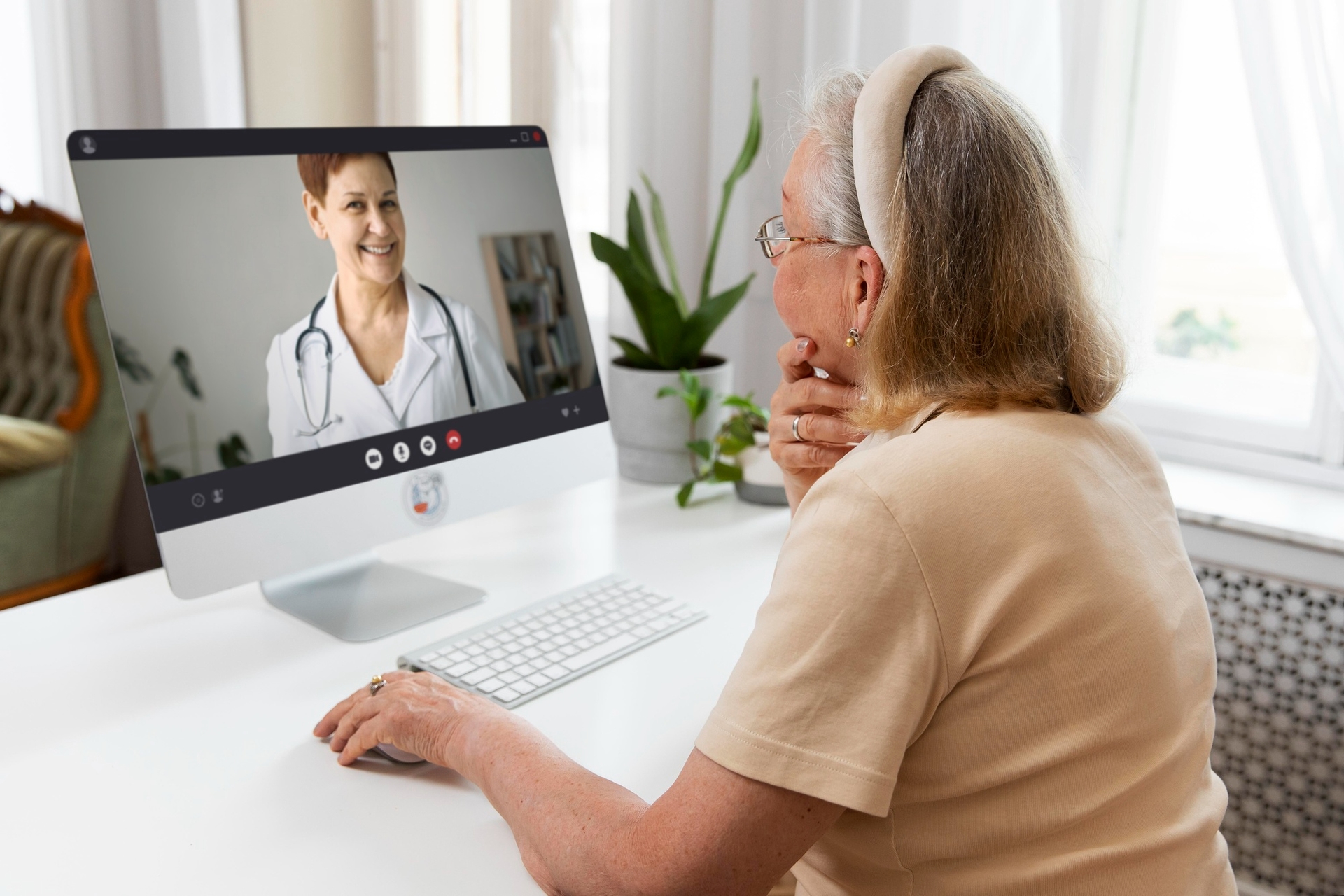
We offer unhurried appointments — in clinic or by video — to talk through period, fertility or menopause concerns, arrange the right blood tests at the right point in your cycle, and explain what the results mean for you. If a specialist referral is the sensible next step, we can arrange that too. You can ask to see the same doctor for continuity.
When to get help
Book an appointment with a GP if you have:
- periods that have become irregular, very heavy, or stopped for three months or more (and you are not pregnant)
- menopause-type symptoms before the age of 45
- difficulty conceiving after about a year of trying (or after six months if you are over 36)
- milky discharge from the breasts when not breastfeeding, or a marked change in body or facial hair
Call NHS 111 for urgent advice if you have heavy bleeding that soaks through a pad every hour, severe pelvic pain, or you feel unwell and are not sure how quickly you need to be seen.
Call 999 if you have very heavy bleeding with dizziness, fainting or breathlessness, or sudden severe abdominal pain — especially if there is any chance you could be pregnant, as this can be a sign of an ectopic pregnancy.
This article is general information and not a substitute for a consultation about your own health.
Sources
- NHS — Menopause: https://www.nhs.uk/conditions/menopause/
- NHS — Irregular periods: https://www.nhs.uk/conditions/irregular-periods/
- NHS — Polycystic ovary syndrome (PCOS): https://www.nhs.uk/conditions/polycystic-ovary-syndrome-pcos/
- NHS — Infertility: https://www.nhs.uk/conditions/infertility/
- NICE — Menopause: identification and management (NG23): https://www.nice.org.uk/guidance/ng23