How to help reduce stress
Feeling under pressure is part of being human — but when stress lingers it takes a toll. Here are calm, practical ways to ease it, and how to know when to ask for help.
Everyone feels stressed at times. Stress is the body’s natural response to pressure, and in short bursts it can even help you focus and get things done. It becomes a problem when it goes on for weeks, feels overwhelming, or starts to affect your sleep, mood, relationships or health. The reassuring part is that there is a lot you can do to bring it down — and good help available if you need it.
How stress can show up
Stress is not only a feeling. It can affect your body and behaviour too. You might notice:
- a racing mind, worry, irritability or feeling tearful
- trouble sleeping, or waking tired
- headaches, a churning stomach, or tense, aching muscles
- eating more or less than usual, or drinking more alcohol
- finding it hard to concentrate or make decisions
Recognising these signs early makes them easier to manage.
Practical ways to ease stress
Name the pressure
Try to identify what is driving the stress — work, money, health, a relationship, or simply too much at once. Writing it down often makes it feel more manageable and helps you see what you can change and what you cannot.
Move your body
Regular physical activity is one of the most effective ways to lower stress. It does not need to be the gym — a brisk daily walk, a cycle, or anything that gets you moving can lift your mood and ease tension.
Slow your breathing
When you feel wound up, breathe out slowly for a little longer than you breathe in, for a minute or two. Slow breathing calms the body’s stress response and is something you can do anywhere, quietly.
Protect your sleep
Stress and poor sleep feed each other. A regular bedtime, less screen time in the evening, and cutting back on caffeine and alcohol can all help you rest better.
Stay connected
Talking to someone you trust — a friend, family member or colleague — genuinely lightens the load. Isolation tends to make stress worse.
Take small steps and take breaks
Break big tasks into smaller ones and tackle them one at a time. Give yourself permission to pause, and try to make a little time for something you enjoy, even when you feel you cannot spare it.
Go easy on the props
Alcohol, smoking and caffeine can feel like they help in the moment but tend to make stress and sleep worse over time. Cutting down usually helps you feel steadier.
When stress is more than everyday pressure
Stress becomes something to act on when it does not lift, when it stops you coping with day-to-day life, or when it comes with low mood or anxiety that lingers. Long-term stress can also worsen physical conditions, so it is worth taking seriously rather than pushing through.
How GPLine can help
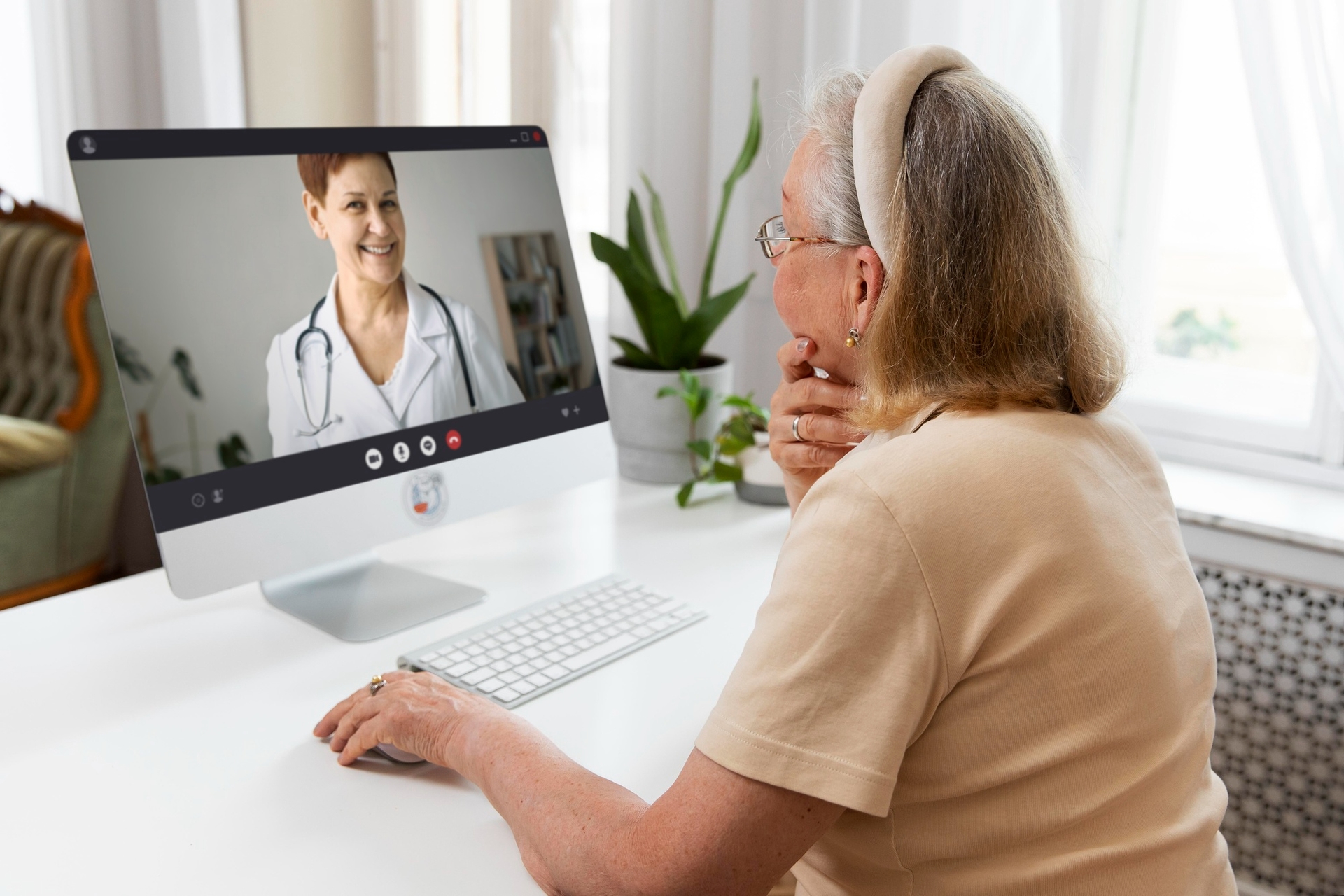
If stress is affecting your health, sleep or daily life, a GP can help you understand what is going on, rule out physical causes, and talk through options — from self-help and talking therapies to further support where needed. We offer unhurried appointments in clinic or by video, and you can ask to see the same doctor each time.
When to get help
Book an appointment with a GP if stress has lasted several weeks, is affecting your sleep, work or relationships, or comes with persistent low mood or anxiety.
Call NHS 111 (or use 111 online) if you need urgent help with your mental health and are not sure where to turn — it now offers a mental health option and can guide you to the right support.
Call 999 or go to A&E if you or someone else is in immediate danger, has seriously harmed themselves, or is having thoughts of ending their life and cannot stay safe. You can also contact Samaritans free, day or night, on 116 123.
This article is general information and not a substitute for a consultation about your own health.
Sources
- NHS — Stress: https://www.nhs.uk/mental-health/feelings-symptoms-behaviours/feelings-and-symptoms/stress/
- NHS — Every Mind Matters: https://www.nhs.uk/every-mind-matters/
- NHS — Breathing exercise for stress: https://www.nhs.uk/mental-health/self-help/guides-tools-and-activities/breathing-exercises-for-stress/
- NHS — Where to get urgent help for mental health: https://www.nhs.uk/nhs-services/mental-health-services/where-to-get-urgent-help-for-mental-health/